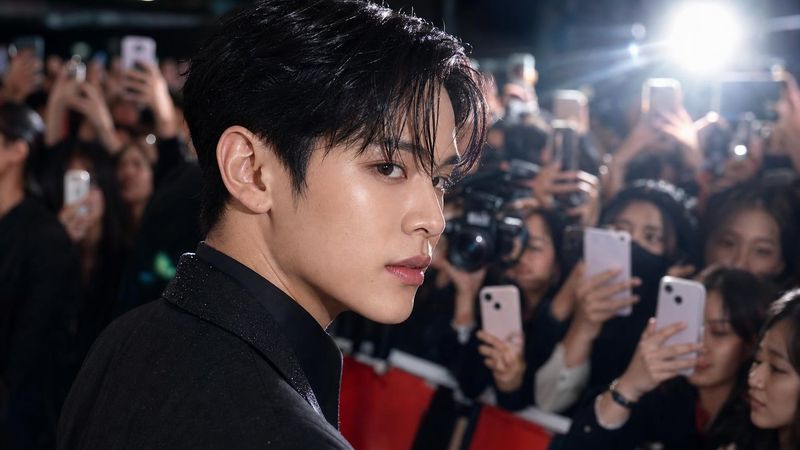
A new wave of viral posts attacking BTS members’ so called “natural visuals” is reigniting a toxic beauty standards fight inside ARMY. Clips and photos that claim to show the group’s “real faces” are being used to call them ugly and “exposed,” sparking backlash and soul searching.
Across 2026, a Netflix beach GIF of Suga, an AI edited concert shot of Jimin, harsh Getty Images from Dior’s Paris runway, and a casual selfie with US R and B singer Sekou have all fed the growing BTS unedited visuals controversy. The pattern is clear: anything unfiltered becomes ammo.
How the BTS unedited visuals controversy exploded
The backlash traces back to a chain of viral moments where HD or candid footage was framed as proof that BTS are secretly unattractive.
- March 29: a Netflix promo for BTS: The Return used a beach GIF where commenters mocked Suga’s unedited face, sparking a wave of jokes that he looked old or tired.
- June 16: an AI edited Busan concert photo added back acne and extra tattoos to Jimin, gained over 27,000 likes, then was exposed as fake by furious fans.
- Late June to early July: harsh Getty Images from Jimin’s Dior Men’s Summer 2027 show, plus Sekou’s unfiltered selfie with him, were shared as “real” BTS faces and mocked as a “Getty curse.”
Across these posts, many users claimed they were simply showing “natural visuals,” even as some of the most viral images were clearly AI generated or selectively cropped. That blurring between real, edited, and manipulated visuals is what is fueling today’s fight.
ARMY’s beauty standards conflict goes public
ARMY rushed to defend the members, compiling threads debunking AI acne edits, highlighting better quality photos, and reporting hate posts. But the way some fans praised BTS’s “real” looks showed how tightly the fandom still clings to impossible perfection.
Comments insisting that Jimin’s skin is “actually flawless” or that Suga has “no wrinkles at all” tried to shut down insults by denying any sign of aging or texture, which still treats normal features as something that must be erased. Other ARMY, including US based fans, are pushing a different line: that defending BTS means accepting acne, pores, facial hair, and fatigue on camera, and rejecting fanwars that label any idol the “ugliest” based on one unlucky Getty frame.
What this means for K Pop and young fans
Korean entertainment coverage has already linked the Dior and Getty drama to a broader reckoning with K Pop beauty rules, where hyper HD cameras, AI tools, and constant social media exposure make it impossible for idols to ever be off duty visually.
Fans also worry about how race and colorism show up in this discourse, since some alleged anti fan edits appear to darken Jimin’s skin or distort his features to signal ugliness, echoing stereotypes that have long targeted Asian men. Even without manipulation, the expectation that idols look airbrushed in every frame affects young viewers who compare themselves to impossible images.
In response, many ARMY talk about media literacy as part of fandom: checking whether “unedited” shots are AI, refusing to share hate posts, and welcoming more relaxed, less retouched content from BTS as they step back into the spotlight.