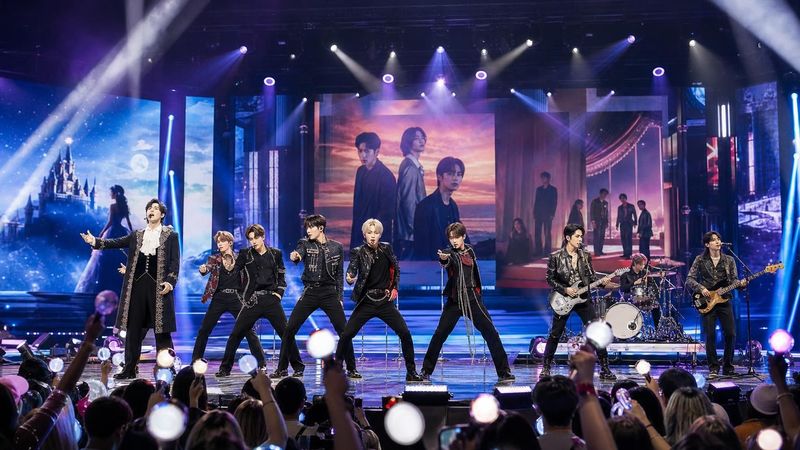
Korean music shows like M Countdown are no longer just arenas for idol comeback trophies. Recent episodes have put musical theater stars and even fictional K drama bands on stages once reserved for charting groups, signaling a quiet reset of what these programs are for.
This shift is not just a programming tweak. It is a response to falling TV ratings, a streaming first global audience and a fandom culture that now links K pop, K dramas, theater and TikTok edits into one ecosystem, changing how fans discover and support artists.
Why Korean Music Shows Had to Change
For years, Korean music shows were the place to watch a new title track debut, see weekly rankings and cheer when an idol won a trophy. If you missed the live broadcast, you missed the moment.
Now most fans discover stages through streaming services, official YouTube uploads, short form clips and fancams they can replay on their own schedule. With viewership for broadcast and cable music shows plummeting, simply stacking idol performances is no longer enough to keep these programs alive.
M Countdown has become a test case, reframing itself as a showcase for the wider K culture universe, not only idol comebacks. That means inviting in other performance worlds that already have passionate fandoms attached.
Inside M Countdown’s New Cross Genre Stage
One of the boldest moves is bringing musical theater into the lineup. Kim Jun su performed a number from the musical Beetlejuice, while fellow stage actor Seo Kyung soo delivered a powerful Kinky Boots song. Their videos, with television level camera work and close ups, quickly drew attention online, with Seo’s clip reaching around 2.49 million YouTube views and Kim’s passing 350,000.
The show also invited fictional bands that originally existed only inside dramas. High Boys from tvN’s Resident Playbook and Migak Boys from Tving’s The Legend of Kitchen Soldier performed as if they were real groups, pulling drama viewers into the music show space and pushing regular viewers back toward the series.
Agencies are noticing the payoff. Jang Su yeon of Palmtree Island, which represents musical actors including Kim and Seo, said the team saw “positive effects by promoting both the actor and the production through music shows, and that interest can lead to ticket sales.” It fits neatly into Mnet’s broader franchise style strategy, already seen with series like Produce, Street Woman Fighter and Boys Planet feeding acts into M Countdown’s stage and then out to viral clips.
How the New Format Is Rewriting K Pop Fandom
Korean fandom culture was already unusually organized and community focused. Fans coordinate “on the way home” gatherings outside studios, and run birthday cafes filled with photos, custom merch and themed drinks. NCT fan Jeong Da um said there is “no expectation that the idol will come,” but visiting these spaces creates a stronger sense of celebration.
Cultural psychologist Han Min links this to a Korean sense of “us,” where fans feel close to idols through frequent communication and small acts of reciprocity, like stars sending gifts to longtime supporters. Once that bond forms, fans no longer experience the celebrity as a distant stranger.
By putting musical actors, fictional bands and viral creators beside idols, M Countdown is building that shared space on screen, encouraging overlapping fandoms. At the same time, an academic event like BTS: A Global Interdisciplinary Conference, which examines digital technology, AI generated fan content and new forms of participation, shows how seriously this evolving, clip driven music show culture is now being studied. The stages fans stream, edit and remix today are shaping how the next chapter of Hallyu fandom will look.