Sandara Park has spent two decades in K-pop with almost no dating scandals, a rare feat for such a famous idol. Her recent confession on a YouTube talk show finally laid out how she pulled it off, and it was not about clever disguises or secret getaways.
Instead, the former 2NE1 member admitted that her love life barely left the chat window. Her story of “non-face-to-face” relationships, usually with younger men and fellow celebrities, opens a window into how K-pop idols avoid dating scandals and what it costs them under strict relationship rules.
Sandara Park’s “non-face-to-face” dating confession
In a July 2026 episode of YouTube talk show oOo Blah Blah, host Lee Yong Jin pointed out that Sandara had never been involved in a dating scandal. Asked how that was possible, she answered that the simple reason was that she did not really date in a typical way during her idol years.
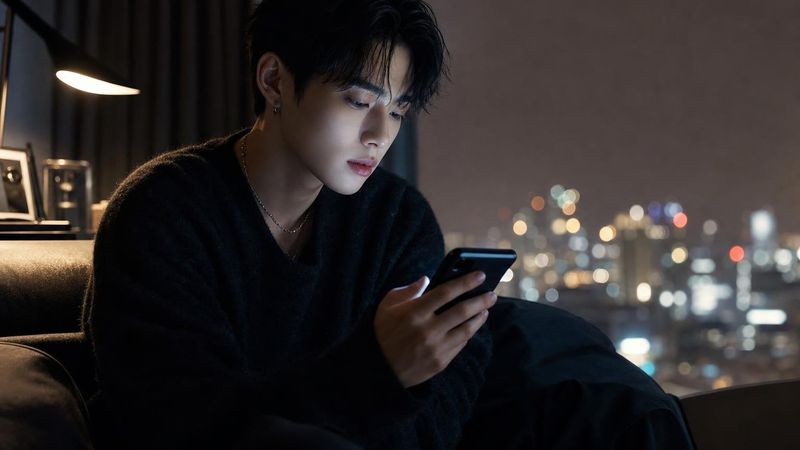
Sandara explained that most of her relationships happened through texts and calls, not in-person dates. She described “non-face-to-face” dating where she and her partner would talk constantly but rarely, if ever, meet up, and many of those relationships ended within a few months. She has even joked that in some cases she only saw the person from a distance and later questioned whether that counted as dating at all.
On the show, she also mentioned that after debut she mostly dated younger men and, importantly, other celebrities who understood the pressure of being watched. This lines up with earlier variety appearances where she called herself an expert in “non-contact dating,” said she preferred to stay home instead of going out, and admitted that breakups often happened before anyone could take photos of the couple together.
How K-pop idols avoid dating scandals in real life
Sandara’s story sounds extreme, but it fits into a larger system of K-pop dating rules. Many idols train and debut under explicit or unwritten bans that make public relationships feel almost impossible, especially in the early years of a career. Reports on trainee life describe strict rules like no dating, limited phone access, and curfews so that practice and performance always come first.
- Trainees are often told not to date at all, with some agencies restricting phone use and monitoring social life to keep them focused on debut.
- Rookie idols can face formal or informal no-dating periods, commonly described as three to five years, so they appear “available” to fans while a group builds its brand.
- More established stars may be technically allowed to date, but the fear of scandal, lost endorsements, and fan backlash pushes many toward extreme secrecy.
Former trainees like Coco and Gina Maeng have described what happens when companies catch young artists dating: scoldings, lost schedules, and, in serious cases, talk of contracts being at risk. Agencies invest huge amounts of money into groups and often see a clean, single image as part of that investment. A single tabloid photo can threaten years of careful marketing.
In that environment, secret dating in K-pop often looks like what Sandara described: text-only or long-distance style relationships, meeting at home instead of public places, and ending things before anyone can snap a picture. Sandara has also linked her cautious approach to the dating bans that applied during 2NE1’s active years under YG Entertainment, saying those policies shaped her view that romance had to stay quiet and almost invisible.
What Sandara Park’s story reveals about K-celeb relationship rules
Put together, Sandara’s anecdotes map out an unwritten rulebook many idols live by. After debut, she has said she only dated other celebrities, kept relationships mostly online, and broke up before any “evidence” could exist. The goal was not just to protect herself, but also her group, her agency, and the fans who expected her to stay scandal-free.
There is another path, though, and it usually appears once stars are older and firmly established. Singer IU and actor Lee Jong Suk are a recent example: their long-term relationship was publicly acknowledged through agency statements, and in July 2026 their companies, Ace Factory and EDAM Entertainment, confirmed that the pair had broken up but would remain colleagues. That kind of fully public, agency-managed relationship is still rare, and it shows how high the bar is for going official.
For international fans, Sandara Park’s confession highlights how intense the pressure around love can be in Korean entertainment. Staying “scandal-free” might look admirable from the outside, but her description of short, mostly digital romances that fizzled out after a few months hints at how isolating those rules can feel. As more idols openly talk about dating bans and non-contact relationships, fans have a chance to support their favorites by respecting boundaries and understanding that behind every clean image, there is a real person trying to navigate love under a spotlight.