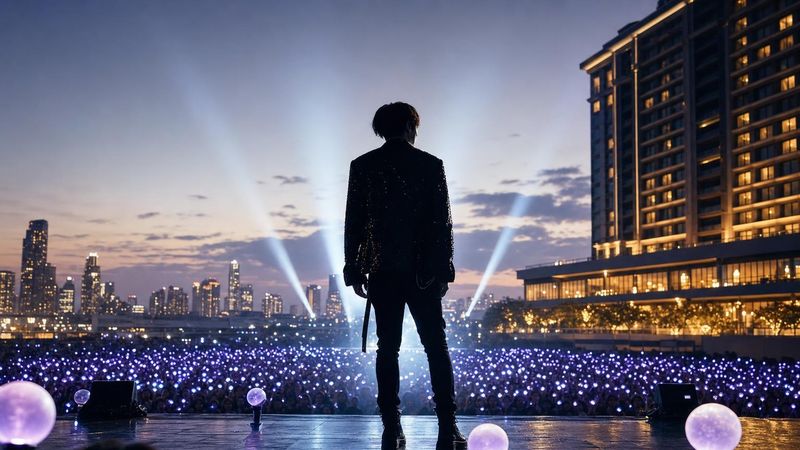
BTS V’s hotel privacy plea is more than a message about one tour stop. It is a clear reminder that a hotel is a place for rest, security, and personal time, not an unofficial fan event. In a Weverse Moment shared during BTS’s reported ARIRANG world tour, V asked fans not to gather outside the group’s accommodations or share where they are staying.
The request drew attention because V paired it with a sleep-tracker screenshot showing only two hours and 27 minutes of rest. The image made the issue feel painfully human, but the larger conversation is about a boundary every K-pop fan should understand: enthusiasm does not create access to an artist’s private life.
What BTS V Asked Fans to Stop Doing
V reportedly addressed ARMY on July 1 through Weverse Moment, the platform’s disappearing-post feature. He thanked fans for welcoming BTS in different cities, while asking them to refrain from coming to the front of the hotels where the members are staying.
He also made clear that he does not want lodging information circulated. For a group traveling between performances, interviews, travel commitments, and other schedules, a hotel is not simply a celebrity sighting location. It is the closest thing to a temporary home.
V explained that the small windows of downtime available on tour matter to him. Walking around a city, trying local restaurants, or taking a quiet break are ordinary experiences that become much harder when artists worry that their location has been shared or people may be waiting outside.
Why V’s Sleep Screenshot Resonated With ARMY
The sleep-tracker image attached to V’s post showed two hours and 27 minutes of sleep, including 21 minutes of REM sleep and 37 minutes of deep sleep. It also flagged his sleep stability with a caution or warning notice, depending on the tracker display described in the reporting.
The screenshot should not be used to diagnose V’s health or make assumptions about his performances. Still, it gave fans a concrete picture of why privacy on the road matters. Rest is limited during a major tour, and artists deserve to spend that time without navigating crowds outside their accommodations.
What hit especially hard was that V appeared to feel the need to show evidence of exhaustion while making a basic request. Fans do not need proof that an idol is struggling before respecting a boundary. A direct request to stay away from private spaces should be enough.
Hotels and Gyms Are Not BTS Tour Stops
The simplest rule of BTS tour hotel etiquette is to separate official schedules from private spaces. A concert, ticketed fan event, announced pop-up, or public appearance is an invited setting. A hotel lobby, restaurant, gym, residence, airport transfer, or personal outing is not.
That distinction can blur when a group is touring internationally and fans are eager for a rare glimpse of them in their own city. But seeing an idol outside an official event does not turn the location into a fan zone, especially when security, hotel staff, other guests, and the artist have not consented to that access.
- Appropriate: attending announced concerts, official fan events, and public schedules.
- Not appropriate: waiting outside hotels, sharing a hotel name during a stay, or following artists and staff vehicles.
- Respectful online behavior: avoiding reposts of real-time private sightings, gym clips, or location clues.
One post identifying a hotel or private stop can travel quickly across TikTok, X, Instagram, and group chats. Even people who did not find the information themselves can contribute to the problem by amplifying it, saving it, or treating it as entertainment.
The July Paris gym clip and the same privacy boundary
Koreaboo’s July 15 report described footage of Jungkook leaving a gym in Paris and criticism of people filming or waiting outside. This was a reported private outing, not an announced concert appearance. The report does not establish every bystander’s intentions or a consensus among all fans.
The useful connection to V’s request is consent, not the address or the clip’s popularity. A public performance invites an audience; leaving a workout does not. This account does not reproduce the footage, identify the gym or add dating speculation to a discussion about privacy.
The Larger BTS Privacy Conversation
V’s message fits into a longer discussion around BTS and personal boundaries. Jungkook previously addressed people visiting his personal gym, emphasizing during a 2023 Weverse Live that it was not an official schedule and reminding viewers that he is “human too.”
In K-pop, the term sasaeng behavior is commonly used for stalker-like conduct that crosses an idol’s boundaries. It should not be thrown at ordinary fans without evidence, but the word exists for a reason: repeated attempts to access an artist’s home, hotel, workout space, or private travel are not the same as supporting their work.
BigHit Music has also said it will pursue strict legal action against stalking and unauthorized visits to artists’ residences or accommodations. The agency has characterized loitering around private locations and leaving gifts without consent as conduct that can threaten artists’ safety and privacy.
How Fans Can Support BTS Without Crossing the Line
Respectful support is not passive. Fans can show up loudly at official venues, follow security instructions, support BTS releases, join approved fan projects, and share official content. Those actions celebrate the group without asking its members to sacrifice their privacy in return.
For ARMY traveling during BTS tour periods, the best practice is to avoid turning a trip into a search for the members’ whereabouts. Enjoy the concert city, visit local attractions, and connect with fellow fans, but do not treat hotel information or a rumored restaurant visit as a clue to chase.
V’s request also offers a useful standard for online fandom. Private sightings do not need views, reposts, or excited speculation to matter. The more fans refuse to reward invasive content, the less incentive there is for accounts to film artists during rest time or turn personal moments into viral clips.
What Respect Looks Like on a World Tour
Global tours bring BTS closer to fans across many cities, but proximity should never be confused with permission. The most meaningful response to V’s message is to recognize that artists can be deeply grateful for their fandom while still needing distance from it after the lights go down.
As BTS continue touring, ARMY have an opportunity to make the line unmistakable: celebrate the stage, protect the private spaces, and let a hotel door remain exactly what it should be, a boundary.