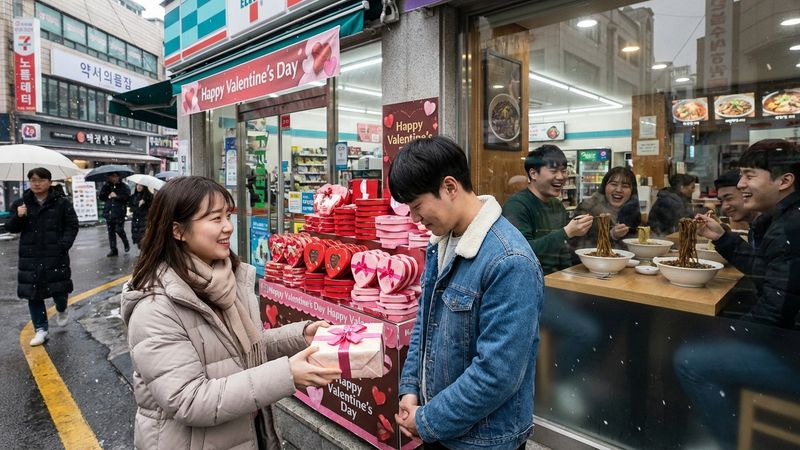
The Korean Love Calendar: From Valentine’s to Black Day Noodles
In South Korea, Valentine’s Day flips the script as women hand chocolates to men and singles mark Black Day with noodles. How did this three step love calendar emerge?
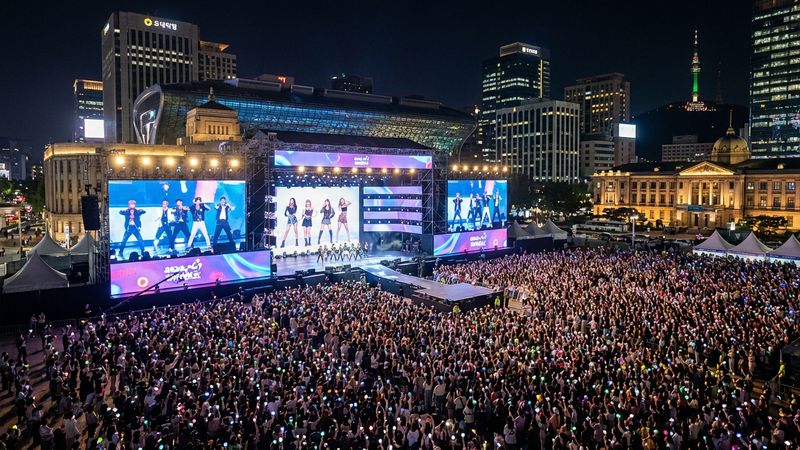
South Korea is planning a historic large-scale K-pop festival for late 2027, bringing together artists from every agency. What does this state-backed mega show mean for BTS, Hallyu and global soft power?
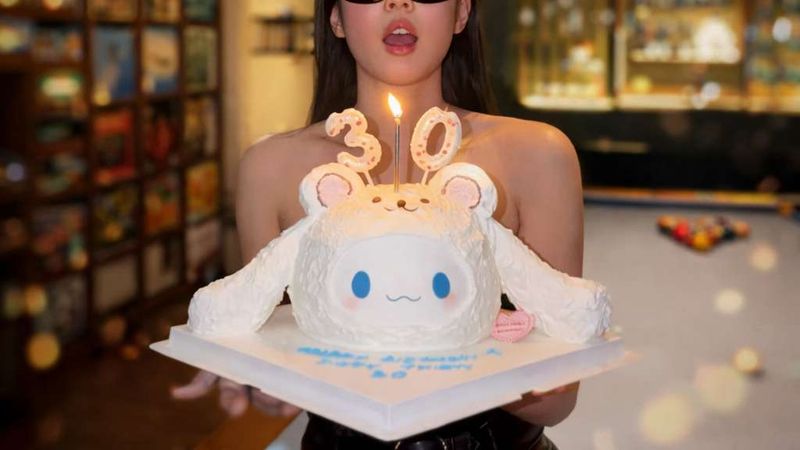
As Jennie Kim turns 30, her journey from Auckland schoolgirl to Blackpink frontwoman and label CEO reshapes what a K-pop star can be. This Jennie Kim biography traces the pressure, reinvention and quiet resolve behind the “Human Chanel” image.
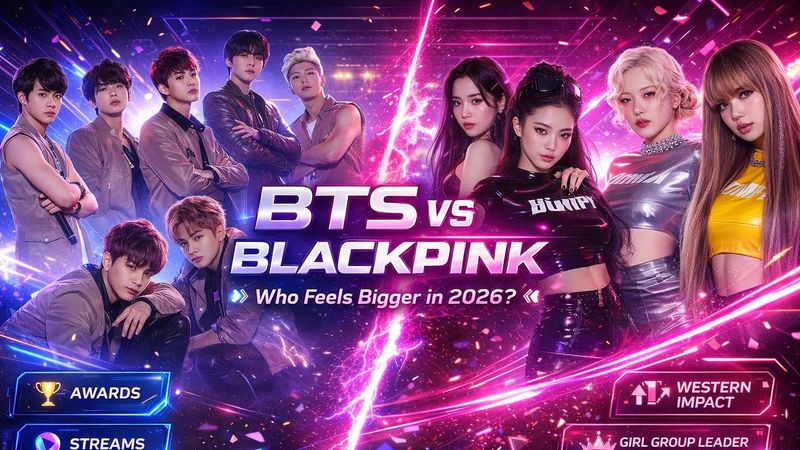
As 2026 opens, BTS exit military service while BLACKPINK tour stadiums worldwide. New streaming stats and surveys redraw their rivalry—but which group truly leads now?
KATSEYE crash into 2026 with Internet Girl, a tour favorite turned global chart storm that lands alongside Gabriela and Gnarly on the Hot 100. But behind the emoji dance and chaotic hook, the single signals a deeper shift in HYBE and Geffen’s global girl group experiment.
Just 1 year and 9 months after debut, BABYMONSTER is releasing a North American tour documentary while racing past 11 million YouTube subscribers. How did YG’s newest girl group go from rookie trainees to arena stages so quickly?
At the start of 2026, BTS, BLACKPINK, Stray Kids and rising peers compete to steer K-pop’s global wave. Which groups really set trends in music, fashion and fandom?
On 11 January 2026 at the Beverly Hilton, BLACKPINK’s Lisa appears at the 83rd Golden Globes as presenter Lalisa Manobal. How did a Thai K-pop star reach Hollywood’s main stage?
From Seoul stages to TikTok feeds, Gen Z idols are reviving Y2K K-pop with low-rise looks and soft R&B hooks. But behind the glitter sits a deeper story about technology, nostalgia and Black creativity.
From Seo Taiji’s 1990s rap-dance revolution to today’s TikTok idols, K-pop generations keep reshaping sound, style and fandom worldwide. What really separates the five eras?